London has long been a crucible of cultures, ideas, and traditions — and its approach to health and wellbeing is no exception. From the aromatic herbal dispensaries tucked behind Brick Lane to the acupuncture clinics lining the quieter streets of Notting Hill, the capital offers one of the most diverse and sophisticated holistic healing landscapes in the world. Whether you’re a lifelong Londoner seeking alternatives to conventional medicine or a newcomer curious about what lies beyond the GP’s surgery, this guide will walk you through everything you need to know about finding, choosing, and benefiting from holistic care in this extraordinary city.
Why London Has Become a Global Hub for Holistic Healing
It’s no accident that London sits at the centre of Europe’s holistic health movement. The city’s multicultural fabric means that healing traditions from virtually every corner of the globe — Traditional Chinese Medicine from the East, Ayurveda from the Indian subcontinent, Western herbalism rooted in centuries of European apothecary knowledge, and indigenous bodywork practices from Africa and South America — are all practised here with authenticity and depth. The British capital is home to more than 12,000 registered complementary therapists, according to estimates from the Complementary and Natural Healthcare Council, making it one of the densest concentrations of holistic practitioners anywhere on the planet.
The NHS itself has played a role in legitimising holistic approaches. The Royal London Hospital for Integrated Medicine (formerly the Royal London Homoeopathic Hospital) has offered complementary therapies within the NHS framework since the 19th century, and growing numbers of GP surgeries now provide social prescribing pathways that include yoga, tai chi, and mindfulness programmes. This institutional openness, combined with London’s entrepreneurial spirit and its population’s appetite for innovation, has created fertile ground for holistic healing to flourish.
London’s Key Holistic Healing Neighbourhoods
While you can find excellent practitioners across all 32 boroughs, certain neighbourhoods have developed particularly strong reputations as holistic wellness destinations. Understanding these clusters can help you find the right fit for your needs and lifestyle.
Shoreditch & Hackney – East London’s Wellness Frontier
East London’s creative energy has naturally extended into the wellness space. Shoreditch and Hackney are home to some of the city’s most innovative holistic practitioners — the kind who blend ancient modalities with contemporary neuroscience and aren’t afraid to experiment. You’ll find trauma-informed breathwork facilitators, sound healers working with crystal singing bowls in converted warehouse spaces, and herbalists who grow their own medicinal plants in community gardens along the Lea Valley. The area around Broadway Market and London Fields has become a particular hotspot, with several multi-practitioner clinics offering everything from craniosacral therapy to functional nutrition consultations. Expect a younger, more progressive clientele and practitioners who are comfortable discussing the intersection of spiritual practice and evidence-based care.
Notting Hill & West London – Established Excellence
Notting Hill and the surrounding areas of Westbourne Grove, Ladbroke Grove, and Holland Park have been synonymous with holistic health since the 1970s, when some of London’s first dedicated natural health food shops and alternative therapy centres opened their doors. Today, the area is home to long-established acupuncture clinics, osteopathic practices with decades of experience, and some of the capital’s most respected homeopaths. The Hale Clinic on Park Crescent, though technically in Marylebone, draws heavily from this West London tradition. Practitioners here tend to have extensive training, often holding multiple qualifications, and the area’s affluent demographic means clinics are generally well-appointed and offer a premium experience. Prices reflect this — expect to pay 15–30% more than the London average for comparable treatments.
Camden & North London – Counterculture Roots
Camden’s countercultural heritage has fostered a vibrant holistic scene with a distinctly accessible, community-minded flavour. The area around Kentish Town and Tufnell Park is particularly rich in practitioners, with a strong emphasis on herbal medicine, reflexology, and traditional massage therapies. Many practitioners here operate on sliding-scale fee structures, making holistic care more financially accessible than in some other parts of the city. North London is also home to several well-regarded training institutions, including the College of Naturopathic Medicine’s London campus, which means supervised student clinics offer high-quality treatments at reduced rates — an excellent option for those on a budget.
Brixton & South London – Community-Centred Wellness
South London’s holistic scene has exploded in recent years, driven by a growing demand for culturally sensitive and community-rooted healing practices. Brixton, Peckham, and Camberwell are at the forefront of this movement, with practitioners drawing on African, Caribbean, and South American healing traditions alongside more conventional complementary therapies. You’ll find traditional African herbalists, curanderos offering limpiacleansing rituals, and Caribbean bush medicine practitioners working alongside qualified osteopaths and nutritional therapists. The emphasis here is on accessibility and cultural relevance — many practitioners actively work to make holistic care available to communities that have historically been underserved by both conventional and complementary medicine.
Popular Holistic Modalities in London
The breadth of holistic therapies available in London is staggering. While a comprehensive list would fill a book, these are the modalities that Londoners are most commonly turning to — and that have the strongest practitioner networks across the city.
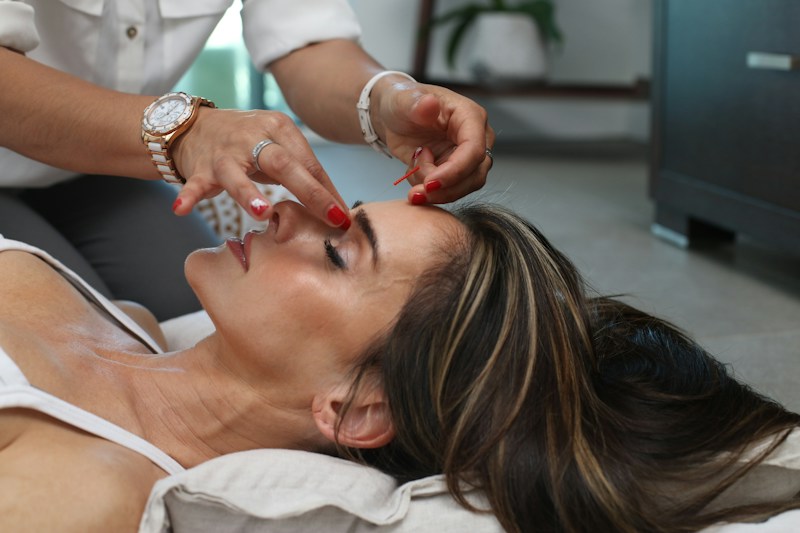
- Acupuncture & Traditional Chinese Medicine— One of the most widely practised complementary therapies in London, with an estimated 2,500 practitioners across the city. TCM clinics are particularly concentrated in Soho’s Chinatown, but high-quality practitioners work in every borough. Sessions typically cost £50–£90 for an initial consultation and £40–£70 for follow-ups.
- Osteopathy & Chiropractic— Both are statutorily regulated in the UK, meaning practitioners must be registered with the General Osteopathic Council or General Chiropractic Council. London has approximately 1,800 registered osteopaths and 600 chiropractors. Initial consultations range from £55–£120, with follow-ups at £40–£85.
- Herbal Medicine— London’s herbalists draw on Western, Chinese, Ayurvedic, and African traditions. The National Institute of Medical Herbalists maintains a register of qualified practitioners. Expect to pay £60–£100 for an initial consultation, plus £15–£40 for herbal prescriptions. Plants like Withania somnifera (ashwagandha), Rhodiola rosea, and Passiflora incarnata(passionflower) are among the most commonly prescribed herbs for London’s stress-related complaints.
- Breathwork & Somatic Practices— One of the fastest-growing modalities in the capital. Holotropic breathwork, transformational breath, and Wim Hof Method sessions are now widely available, with group classes typically costing £15–£35 and individual sessions £60–£120.
- Nutritional Therapy & Functional Medicine— Increasingly popular among London professionals, functional medicine takes a systems-based approach to identifying root causes of chronic health issues. Practitioners often hold degrees in nutritional science or naturopathic medicine. Initial consultations are typically £120–£250, reflecting the detailed case-taking and testing involved.
- Massage & Bodywork— From deep tissue and sports massage to more specialised modalities like Rolfing, myofascial release, and Thai yoga massage, London offers extraordinary breadth. Prices range from £50–£70 for a standard hour-long massage to £100–£180 for specialised bodywork treatments.
What to Look for in a Holistic Practitioner
Choosing a holistic practitioner is a deeply personal decision, and the right fit depends on far more than qualifications alone — though those matter enormously. Here are the key factors to consider when selecting a practitioner in London.
Qualifications & Training
The holistic health sector in the UK operates under a patchwork of regulation. Some professions, like osteopathy and chiropractic, are protected by law — meaning it is illegal to practise without proper registration. Others, like herbal medicine, acupuncture, and nutritional therapy, are voluntarily regulated through professional bodies. Always check that your practitioner holds a recognised qualification. Reputable training programmes typically involve three to four years of study, including substantial clinical practice hours. Be cautious of practitioners who have completed only short weekend courses, particularly for complex modalities like acupuncture or herbal medicine.
Professional Registration & Insurance
All credible holistic practitioners in London should carry professional indemnity insurance and be registered with an appropriate professional body. Key regulatory and professional bodies to look for include:
- The Complementary and Natural Healthcare Council (CNHC)— The UK’s government-backed voluntary register for complementary therapists, covering disciplines including massage therapy, reflexology, nutritional therapy, and yoga therapy.
- The British Acupuncture Council (BAcC)— The leading self-regulatory body for traditional acupuncturists in the UK, requiring members to hold degree-level qualifications.
- The National Institute of Medical Herbalists (NIMH)— The oldest body of practising medical herbalists in the world, founded in 1864, requiring members to hold BSc-level qualifications.
- The General Osteopathic Council (GOsC) & General Chiropractic Council (GCC)— Statutory regulators with the legal authority to set and enforce standards of practice.
- The British Association for Counselling and Psychotherapy (BACP)— Relevant for practitioners offering holistic counselling, psychotherapy, or trauma-informed bodywork.
Communication & Approach
A good holistic practitioner should listen more than they talk, at least during your initial consultation. They should take a thorough case history, ask about your medical background, current medications, and lifestyle factors, and explain their proposed treatment plan in language you can understand. Be wary of anyone who guarantees a cure, discourages you from seeing your GP, or suggests you stop taking prescribed medication without consulting your doctor. The best holistic practitioners in London workalongside conventional medicine, not against it.
Understanding London Price Ranges
Holistic healing in London spans a wide price range, and cost doesn’t always correlate with quality. Here is a general guide to what you can expect to pay across different areas and modalities.
Central and West Londonclinics tend to be the most expensive, with initial consultations for most modalities starting at £80 and often exceeding £150. East and South London tend to offer more competitive pricing, with many excellent practitioners charging £50–£80 for initial sessions. North London falls somewhere in between. Many practitioners across the city offer reduced rates for students, pensioners, NHS workers, and those on low incomes — it is always worth asking. Community acupuncture clinics, where treatments are given in a group setting with patients resting in recliners, offer sessions for as little as £15–£30 and are an excellent way to access regular treatment affordably.
Some private health insurance policies now cover certain complementary therapies, particularly osteopathy, chiropractic, and acupuncture. Providers including Bupa, AXA Health, and Vitality offer varying levels of complementary therapy coverage — check your policy or contact your insurer directly to understand what is included.
What to Expect at Your First Holistic Appointment
Walking into a holistic clinic for the first time can feel unfamiliar, particularly if your healthcare experience has been limited to conventional GP appointments and hospital visits. Knowing what to expect can help you feel more at ease and get the most from your initial consultation.
Most holistic first appointments are significantly longer than a standard GP consultation — typically 60 to 90 minutes, compared to the average 10-minute NHS appointment. This extended time allows your practitioner to build a comprehensive picture of your health. Expect detailed questions about your medical history, family health background, diet, sleep patterns, stress levels, emotional wellbeing, and lifestyle factors. Some practitioners, particularly those trained in Traditional Chinese Medicine, may also examine your tongue and pulse as diagnostic tools.
Your practitioner should explain their findings, outline a proposed treatment plan including estimated number of sessions, and give you a clear idea of costs going forward. They should also discuss any potential interactions with existing medications or treatments and, where appropriate, suggest you inform your GP about the complementary care you are receiving.
Practical tips for your first visit:
- Bring a list of any medications, supplements, or herbal remedies you are currently taking.
- Wear loose, comfortable clothing — particularly if you are seeing a bodywork practitioner, acupuncturist, or osteopath.
- Avoid eating a heavy meal immediately before your appointment, though do not attend on an empty stomach either.
- Write down your main health concerns and goals beforehand so you can communicate them clearly.
- Allow yourself time to rest after the appointment — some treatments can leave you feeling deeply relaxed or temporarily fatigued as your body processes the work.
Integrating Holistic Care into London Life
One of the most common barriers to holistic care is the perception that it requires a radical lifestyle overhaul. In reality, the most effective approach is gradual integration — weaving holistic practices into your existing routine rather than attempting to transform everything at once. London, despite its pace and pressures, actually offers remarkable infrastructure for this kind of integration.
Many clinics now offer early morning, lunchtime, and evening appointments to accommodate working schedules. Several practitioners operate from co-working wellness spaces in the City, Canary Wharf, and other business districts, bringing holistic care directly to where London’s workforce spends its days. Online consultations, which became widespread during the pandemic and have remained popular since, mean that even herbal medicine and nutritional therapy consultations can happen from your home, office, or — as many a London commuter has discovered — a relatively quiet corner of a train carriage.
London’s parks and green spaces also play an important role in holistic wellbeing. Practitioners increasingly prescribe “green time” as part of treatment plans, and the city’s eight Royal Parks, 3,000 public parks, and numerous commons and heaths provide ample opportunity for the kind of mindful outdoor movement that supports holistic healing. Hampstead Heath, Richmond Park, Epping Forest, and the Lea Valley all offer spaces where nature and urban life coexist in ways that support deeper wellbeing.
The Future of Holistic Healing in London
London’s holistic health landscape is evolving rapidly. Several trends are shaping what the future of complementary care in the capital will look like. The integration of holistic approaches within mainstream healthcare settings is accelerating, with NHS social prescribing schemes creating formal pathways between GP surgeries and community-based wellness programmes. Research collaborations between London’s universities and holistic practitioners are generating higher-quality evidence for complementary therapies, which in turn is driving greater acceptance and accessibility.
Technology is also playing an increasingly important role. Wearable health devices, at-home functional testing kits, and AI-supported health assessments are being adopted by progressive holistic practitioners to enhance the precision and personalisation of their care. At the same time, there is a strong counter-movement emphasising the irreplaceable value of in-person, hands-on healing — the human connection that sits at the heart of holistic practice and that no algorithm can replicate.
What remains constant is the fundamental principle that unites all holistic approaches: the understanding that health is not merely the absence of disease, but a dynamic state of physical, mental, emotional, and spiritual balance. In a city as demanding and stimulating as London, that understanding has never been more relevant — or more needed. Whether you are dealing with a specific health concern, seeking to prevent future problems, or simply wanting to feel more fully alive in your body and mind, London’s holistic healing community has something genuinely transformative to offer.