
If you’ve ever sat in a GP surgery in London describing bloating, irregular bowel movements, or persistent stomach discomfort, you already know how the conversation tends to go. A brief consultation, perhaps a blood test to rule out coeliac disease, and then a prescription — most likely a proton pump inhibitor or an antispasmodic. You’re sent on your way with the quiet understanding that the NHS, stretched as it is, simply doesn’t have the infrastructure to investigate further unless something truly alarming appears. For millions of people across the UK, this is where the gut health journey stalls. At HealRoot, we believe it’s exactly where it should begin.
The NHS and Gut Health: A System Under Strain
Let us be clear from the outset: the National Health Service is one of the great achievements of modern Britain. Its doctors, nurses, and specialists work under extraordinary pressure, and for acute gastrointestinal emergencies — perforated ulcers, bowel obstructions, suspected cancers — it remains world-class. The difficulty arises with the vast, murky middle ground of chronic digestive complaints that don’t fit neatly into a diagnostic box.
Consider the numbers. NHS England data consistently shows that gastroenterology referral waiting times in London frequently exceed eighteen weeks, with some boroughs reporting waits of six months or longer for a first consultant appointment. During that time, patients are often managing symptoms with over-the-counter remedies and little guidance. When they do finally see a specialist, the consultation is necessarily brief — typically ten to fifteen minutes — and focused on excluding serious pathology rather than exploring the underlying drivers of dysfunction.
The most commonly prescribed medications for digestive complaints in the UK are proton pump inhibitors (PPIs)such as omeprazole and lansoprazole. These drugs are remarkably effective at suppressing stomach acid production, and for conditions like confirmed gastric ulcers or severe gastro-oesophageal reflux disease, they can be genuinely life-changing. The problem is that they were never designed for long-term use, yet millions of Britons take them for years — sometimes indefinitely. Research published in The BMJ and Gut has linked prolonged PPI use to reduced absorption of magnesium, calcium, and vitamin B12, increased susceptibility to certain gut infections including Clostridioides difficile, and alterations in the gut microbiome that may themselves perpetuate digestive symptoms.
Access to NHS dietitians is another significant bottleneck. While dietetic services exist within the system, they are heavily oversubscribed. A 2023 report by the British Dietetic Association found that many NHS trusts in London had only one or two dietitians covering entire hospital departments, with community dietetic services facing even more acute shortages. The result is that patients with irritable bowel syndrome, for example, may receive a photocopied sheet about the low-FODMAP diet but little in the way of personalised guidance, follow-up, or support through the notoriously complex reintroduction phases.
What Falls Through the Cracks
The conventional medical model excels at identifying disease but struggles with dysfunction — that uncomfortable territory where something is clearly wrong, yet blood tests come back normal and scans reveal nothing structural. Functional gut disorders, food intolerances, dysbiosis, intestinal permeability, and the complex interplay between stress and digestion all tend to fall into this gap.
Patients in this position often describe a profoundly frustrating experience. They feel unwell, sometimes severely so, yet are told there is nothing clinically wrong. Some are offered a diagnosis of irritable bowel syndrome, which, while valid, is essentially a description of symptoms rather than an explanation of cause. The question “but why is my gut behaving this way?” is rarely answered within the standard consultation framework, not because GPs don’t care, but because the system simply isn’t built to pursue it.
The Gut–Brain Connection: Why Your Stomach Has a Mind of Its Own
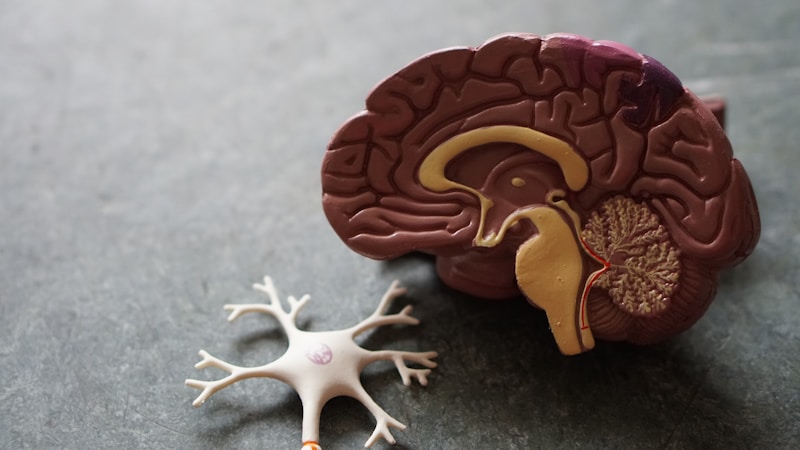
One of the most significant advances in gastroenterological science over the past two decades has been the recognition of the gut–brain axis— a bidirectional communication network linking the enteric nervous system of the gastrointestinal tract with the central nervous system. Your gut contains approximately 500 million neurons, produces over 90 per cent of the body’s serotonin, and hosts a microbial ecosystem so vast and complex that some researchers refer to it as a virtual organ.
This means that emotional stress, anxiety, poor sleep, and unresolved trauma can directly alter gut motility, secretion, and permeability. Conversely, an inflamed or dysbiotic gut can send distress signals to the brain, contributing to low mood, brain fog, and heightened anxiety. It is a loop, not a one-way street, and any approach to gut healing that ignores the psychological dimension is, quite simply, incomplete.
In holistic practice at HealRoot, we see this connection play out daily. The City worker whose IBS flares every Sunday evening before the Monday commute. The new mother whose digestive system has never recovered from the stress of a difficult birth. The university student in Bloomsbury whose exam anxiety manifests as chronic nausea. These patterns are not coincidental — they are physiological, and they respond to treatment that addresses both gut and mind together.
The Holistic Nutritional Therapy Approach
Holistic nutritional therapy for gut health begins where the NHS consultation ends — with the question why. Rather than simply suppressing symptoms, the aim is to identify and address the root causes of digestive dysfunction. This requires time, thoroughness, and a willingness to look at the whole person rather than an isolated organ system.
At HealRoot, an initial gut health consultation typically lasts between sixty and ninety minutes. We take a detailed case history covering not just current symptoms but birth history, antibiotic exposure, dietary patterns over the lifespan, stress and emotional health, sleep quality, medication history, and environmental factors. This depth of inquiry often reveals patterns that a ten-minute GP appointment simply cannot capture.
Functional Testing: Looking Deeper
Where appropriate, we may recommend functional testing that goes beyond standard NHS blood panels. These can include:
- Comprehensive stool analysis— evaluating the diversity and balance of the gut microbiome, markers of inflammation such as calprotectin and secretory IgA, digestive enzyme output, and the presence of parasites or pathogenic bacteria
- Food sensitivity panels— measuring IgG-mediated immune responses to a wide range of foods, which can help identify delayed-onset food reactions that are virtually impossible to detect through diet alone
- SIBO breath testing— measuring hydrogen and methane gases to assess for small intestinal bacterial overgrowth, an increasingly recognised driver of bloating, distension, and altered bowel habits
- Organic acids testing— a urine-based assessment that can reveal markers of yeast overgrowth, bacterial metabolites, mitochondrial function, and neurotransmitter metabolism
These tests are not a replacement for NHS diagnostics — they are a complement. We always encourage clients to continue working with their GP and to pursue any recommended conventional investigations. The goal is a fuller picture, not an either-or choice.
The Elimination Diet: Still the Gold Standard
Despite all the advances in functional testing, the carefully conducted elimination diet remains one of the most powerful diagnostic and therapeutic tools in gut health. The principle is straightforward: remove the most common dietary triggers for a defined period — typically three to six weeks — then reintroduce them systematically, one at a time, while monitoring symptoms.
Common categories removed during an elimination phase include gluten- containing grains, dairy products, soy, eggs, corn, refined sugar, alcohol, and caffeine. For some individuals, we may also temporarily remove high-FODMAP foods, nightshade vegetables, or histamine-rich foods depending on the clinical picture.
The reintroduction phase is where the real learning happens, and it is also where most people fail when attempting this on their own. Each food group is reintroduced in isolation over a three-day window, with careful symptom tracking. This process requires patience, precision, and support — precisely the kind of ongoing guidance that a holistic practitioner can provide and that the NHS, through no fault of its own, generally cannot.
Healing Herbs for the Gut: Nature’s Gastroenterologists
Herbal medicine has supported human digestion for millennia, and modern research increasingly validates what traditional herbalists have long known. At HealRoot, we draw on a carefully selected pharmacopoeia of gut-healing botanicals, always with respect for both their power and their limitations.
Slippery Elm (Ulmus rubra)
Ulmus rubra, commonly known as slippery elm, produces a mucilaginous inner bark that, when mixed with water, forms a soothing gel. This gel coats the lining of the oesophagus, stomach, and intestines, providing a protective barrier that can reduce irritation and support the healing of inflamed mucosal tissue. It is particularly valuable for acid reflux, gastritis, and inflammatory bowel conditions. We typically recommend it as a powder mixed into warm water or porridge, taken twenty minutes before meals.
Marshmallow Root (Althaea officinalis)
Like slippery elm, Althaea officinalis is a demulcent herb that produces a rich mucilage. It has a particular affinity for the upper digestive tract and is excellent for soothing heartburn, oesophageal irritation, and dry, irritated gut linings. A cold infusion — made by steeping the root in room-temperature water overnight — extracts the mucilage most effectively and produces a beautifully viscous, mildly sweet preparation.
Peppermint (Mentha x piperita)
Mentha x piperita is perhaps the most extensively researched herbal remedy for irritable bowel syndrome. A landmark meta-analysis published in BMC Complementary Medicine and Therapies confirmed that enteric-coated peppermint oil capsules significantly reduce IBS symptoms including abdominal pain, bloating, and urgency. The menthol in peppermint acts as a natural antispasmodic, relaxing the smooth muscle of the intestinal wall. We often combine peppermint tea with other carminative herbs for a gentle, daily digestive support blend.
Fennel (Foeniculum vulgare)
Foeniculum vulgareis a classic carminative — an herb that relieves intestinal gas and bloating. Its volatile oils, particularly anethole, stimulate digestive secretions and promote healthy peristalsis. Fennel is gentle enough for daily use and is traditionally given to infants as gripe water, a testament to its safety profile. For adults, we recommend fennel seed tea after meals or a few drops of fennel tincture in warm water.
Probiotics and Fermented Foods: Rebuilding the Inner Ecosystem
The gut microbiome — that thriving community of trillions of bacteria, fungi, and other microorganisms inhabiting your gastrointestinal tract — is now recognised as central to digestive health, immune function, mental wellbeing, and metabolic balance. When this ecosystem is disrupted, whether by antibiotics, chronic stress, poor diet, or environmental toxins, the consequences ripple outward through virtually every system of the body.
Probiotic supplementation can play a valuable role in restoring microbial balance, but the field is more nuanced than the marketing would suggest. Not all probiotics are equal, and the strain specificity of benefits is now well established. For example:
- Lactobacillus rhamnosus GG has robust evidence for antibiotic-associated diarrhoea and acute gastroenteritis
- Saccharomyces boulardii, a beneficial yeast, is particularly effective against C. difficilerecurrence and traveller’s diarrhoea
- Bifidobacterium infantis 35624 has shown specific benefit for IBS symptom reduction in clinical trials
- Multi-strain preparations containing Lactobacillus and Bifidobacterium species are often recommended for general microbiome support and post-antibiotic recovery
Beyond supplementation, we are strong advocates for incorporating traditionally fermented foods into the daily diet. Live sauerkraut, kimchi, kefir, natural yoghurt, miso, and kombucha all provide a diverse array of beneficial organisms alongside the organic acids, enzymes, and bioactive compounds produced during fermentation. London is fortunate to have a thriving fermentation culture — from artisan producers at Borough Market to independent makers across East London — making access to high-quality fermented foods easier than ever.
The Stress–Gut Connection: London Life and Your Digestion
London is a magnificent city, but it is not a relaxing one. The pace, the noise, the commute, the cost of living — all of these contribute to a baseline level of sympathetic nervous system activation that directly impacts digestive function. When the body is in fight-or-flight mode, blood flow is diverted away from the digestive organs, enzyme production drops, gut motility slows or becomes erratic, and the intestinal barrier becomes more permeable.
This is why a holistic gut-healing protocol must include strategies for nervous system regulation. At HealRoot, we integrate several evidence-informed approaches:
- Diaphragmatic breathing— activating the vagus nerve through slow, deep belly breathing before meals to shift the body into the parasympathetic “rest and digest” state
- Mindful eating practices— slowing down, chewing thoroughly, and eating without screens or distractions to optimise the cephalic phase of digestion
- Adaptogenic herbs— botanicals such as Ashwagandha, Rhodiola, and Holy Basil that help modulate the stress response and support adrenal function
- Gentle movement— walking, yoga, and tai chi, all of which stimulate healthy gut motility and reduce cortisol levels. London’s parks — from Hampstead Heath to Richmond — offer ideal settings for restorative outdoor movement
- Sleep optimisation— the gut microbiome follows circadian rhythms, and disrupted sleep has been shown to alter microbial composition within as few as two nights of poor rest
Building a Gut-Healing Protocol: The HealRoot Framework
Every individual’s gut is unique, shaped by genetics, birth method, infant feeding, antibiotic history, diet, stress, and environment. There is no single protocol that works for everyone, which is precisely why the one-size-fits-all approach of conventional medicine so often falls short. That said, most holistic gut-healing journeys follow a broadly similar arc, which we sometimes describe using the 5R Framework:
- Remove— identify and eliminate dietary triggers, pathogenic organisms, and environmental stressors that are damaging the gut
- Replace— restore digestive factors that may be deficient, such as stomach acid, digestive enzymes, or bile salts
- Reinoculate— repopulate the gut with beneficial microorganisms through targeted probiotics and prebiotic-rich foods
- Repair— support the healing of the intestinal lining with nutrients such as L-glutamine, zinc carnosine, vitamin A, and the mucilaginous herbs described above
- Rebalance— address the broader lifestyle factors — sleep, stress, movement, connection — that sustain long-term gut health
This framework is not rigid; it is a guide. Some clients need to spend months in the “Remove” phase while the gut settles. Others can move through the stages relatively quickly. The key is individualisation, ongoing assessment, and the kind of sustained therapeutic relationship that holistic practice is designed to provide.
Working With Your GP, Not Against Them
We want to be absolutely clear: holistic gut health care is not about rejecting conventional medicine. It is about filling the gaps that the system, by its very structure, cannot address. We encourage every client at HealRoot to maintain their relationship with their GP, to pursue any recommended investigations, and to discuss any supplements or herbal preparations with their medical team, particularly if they are taking prescribed medication.
The ideal scenario — and the one we actively work towards — is integrative care, where conventional diagnostics and holistic therapeutics operate in partnership. Your GP rules out serious pathology; your holistic practitioner investigates the functional drivers of your symptoms. Your gastroenterologist manages any identified disease; your nutritional therapist supports healing through dietary and lifestyle modification. This is not an alternative to medicine. It is medicine made complete.
Your Gut Deserves More Than a Prescription
If you are living in London with chronic digestive symptoms that haven’t responded to conventional treatment — or if you’ve been told there’s nothing wrong when you know in your gut, quite literally, that something is — holistic care offers a way forward. Not a quick fix, but a thorough, compassionate, evidence-informed investigation into why your digestive system is struggling and what can be done to help it heal.
At HealRoot, we see gut health not as an isolated concern but as a cornerstone of whole-body wellness. When your digestion works well, everything else tends to follow — clearer skin, steadier energy, calmer mood, sharper thinking, deeper sleep. The gut truly is the root of health, and it deserves the kind of attention, time, and care that only a holistic approach can provide.
Ready to begin your gut-healing journey? Book a consultation at HealRoot and discover what holistic care can offer your digestion.