In recent years, gut health has become one of the most discussed topics in both conventional and complementary medicine — and rightly so. The gut is far more than a digestive organ; it is a complex ecosystem that influences immunity, mood, hormone balance, skin health, and cognitive function. Yet the mainstream conversation often reduces gut health to a single solution: take a probiotic. Whilst probiotics have their place, a truly holistic approach to gut health goes much deeper.
The Gut-Brain Axis: Your Second Brain
Your gut contains over 100 million neurons — more than your spinal cord — earning it the nickname “the second brain.” This enteric nervous system communicates bidirectionally with your brain via the vagus nerve, creating what scientists call the gut-brain axis.
This connection explains why you feel “butterflies” when nervous, why stress causes stomach upset, and why chronic digestive issues so often accompany anxiety and depression. Approximately 95% of the body’s serotonin — the neurotransmitter associated with mood regulation, happiness, and sleep — is produced in the gut, not the brain. This single fact illustrates why gut health is inseparable from mental health.
The Microbiome: Your Inner Ecosystem
Your gut is home to trillions of microorganisms — bacteria, fungi, viruses, and other microbes — collectively known as the microbiome. This microbial community is so vast and influential that some researchers consider it a distinct organ in its own right.
A healthy, diverse microbiome supports digestion, nutrient absorption, immune regulation, and the production of essential vitamins and neurotransmitters. When this ecosystem is disrupted — through poor diet, chronic stress, antibiotics, or environmental toxins — a state called dysbiosis can develop, contributing to a wide range of health issues.
Research into the microbiome is revealing connections to conditions that were never previously associated with gut health, including autoimmune diseases, obesity, type 2 diabetes, cardiovascular disease, allergies, eczema, and even neurodegenerative conditions like Alzheimer’s disease.
Signs of Poor Gut Health
Gut imbalances do not always manifest as digestive symptoms. Here are some signs that your gut may need attention:
- Bloating, gas, or abdominal discomfort after eating
- Irregular bowel movements (constipation, diarrhoea, or alternating between the two)
- Food sensitivities or intolerances
- Persistent fatigue, despite adequate sleep
- Skin conditions (acne, eczema, rosacea)
- Frequent colds or infections
- Anxiety, low mood, or brain fog
- Sugar cravings
- Unexplained weight changes
- Joint pain or widespread inflammation
The Holistic Approach to Gut Healing
A holistic approach to gut health addresses not just the gut itself, but all the factors that influence it — diet, stress, sleep, movement, emotional health, and the individual’s unique constitution. Here are the key pillars:
1. Nourishing Diet
Food is the single most important factor in gut health. The microbiome literally feeds on what you eat, so the quality and diversity of your diet directly shapes the health of your inner ecosystem.
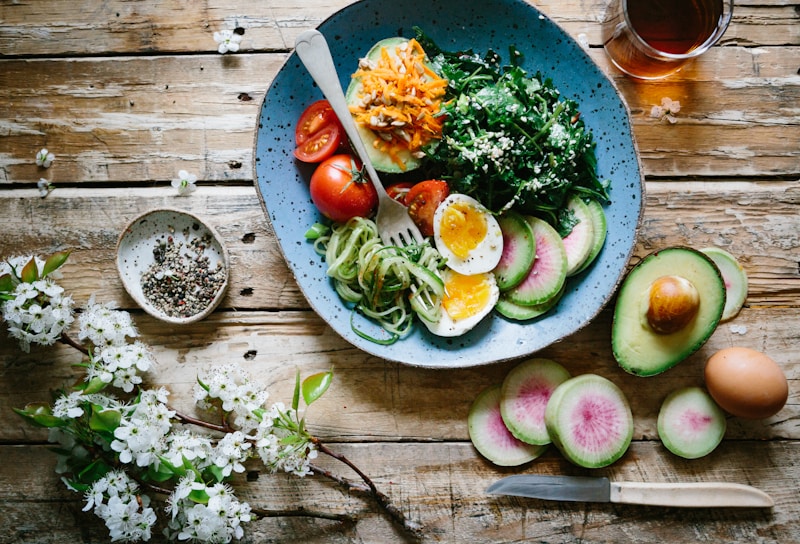
- Eat the rainbow. Aim for 30 different plant foods per week. Each type of fibre feeds different beneficial bacteria, so diversity is key.
- Prioritise fibre. Most people in the UK consume far less fibre than recommended. Vegetables, fruits, whole grains, legumes, nuts, and seeds are all excellent sources.
- Reduce ultra-processed foods. These foods are typically high in refined sugar, artificial additives, and inflammatory oils that disrupt the microbiome.
- Cook from scratch. When you prepare your own meals, you control what goes into your body. Even simple meals made from whole ingredients are far superior to processed alternatives.
2. Fermented Foods
Fermented foods are nature’s probiotics. They introduce beneficial bacteria directly into the gut whilst also providing prebiotics (the food that bacteria thrive on). Unlike probiotic supplements, fermented foods contain a wide diversity of bacterial strains and deliver them in a food matrix that supports their survival through the digestive tract.
Excellent fermented foods include:
- Natural live yoghurt (look for “live cultures” on the label)
- Kefir (dairy or water-based)
- Sauerkraut (raw, unpasteurised)
- Kimchi
- Miso
- Kombucha
- Tempeh
Start with small amounts and increase gradually, as introducing too many fermented foods too quickly can temporarily increase bloating.
3. Herbal Support
The herbal tradition offers a wealth of gut-healing remedies that go far beyond what a probiotic capsule can achieve:
- Bitter herbs(dandelion root, gentian, artichoke leaf) — stimulate bile production, enhance digestive enzyme secretion, and improve nutrient absorption. Taking bitter herbs before meals is one of the oldest and most effective digestive practices.
- Demulcent herbs(marshmallow root, slippery elm) — soothe and protect inflamed gut lining, particularly helpful for conditions like gastritis or leaky gut.
- Carminative herbs(peppermint, fennel, chamomile) — relieve bloating, gas, and abdominal cramping by relaxing smooth muscle in the digestive tract.
- Antimicrobial herbs(oregano, thyme, berberine) — help address bacterial overgrowth and support a healthy microbial balance.
4. Stress Management
Chronic stress is one of the most potent disruptors of gut health. When you are stressed, your body diverts resources away from digestion towards the “fight or flight” response. The result: reduced digestive enzyme production, decreased blood flow to the gut, altered gut motility, increased intestinal permeability (“leaky gut”), and disruption of the microbiome.
Any practice that activates the parasympathetic nervous system (“rest and digest”) will support gut health. Meditation, breathwork, gentle yoga, time in nature, warm baths, and creative activities all help shift the body out of stress mode and into healing mode.
One of the simplest things you can do for your digestion is to eat in a calm, relaxed state. Sit down, chew thoroughly, put your phone away, and take a few deep breaths before your meal. This signals to your body that it is safe to digest.
5. Mindful Eating
How you eat is as important as what you eat. Digestion begins in the mouth with chewing and salivary enzymes. When you eat quickly, on the go, or whilst distracted, you bypass this crucial first stage and place a heavier burden on the rest of your digestive system.
- Chew each mouthful thoroughly — aim for 20–30 chews
- Eat without screens or distractions
- Notice the flavours, textures, and aromas of your food
- Eat at regular intervals rather than grazing continuously
- Stop when you feel comfortably satisfied, not overly full
When to Seek Professional Help
Whilst dietary and lifestyle changes can be transformative, some gut issues require professional assessment. Seek help if you experience:
- Persistent or severe abdominal pain
- Blood in your stool
- Unexplained weight loss
- Difficulty swallowing
- Symptoms that do not improve with dietary changes
A holistic practitioner can help you identify the root causes of gut dysfunction through comprehensive assessment, targeted testing, and personalised treatment plans that address your digestive health from every angle. Remember: your gut is not just where you digest food — it is where you digest life.